

The Nature of Gambling and Its Allure
Gambling has an inherent appeal that draws individuals into its world. This allure often stems from the thrill and excitement associated with winning. The unpredictable nature of games, whether in a casino or online platform, contributes significantly to the adrenaline rush that gamblers experience. This rush can create a compelling urge to continue playing, even when the odds are not favorable, leading to a cycle of behavior that many find difficult to break. In exploring various options, you might come across betting sites not on gamstop, which offer alternative avenues for betting that some may find appealing.
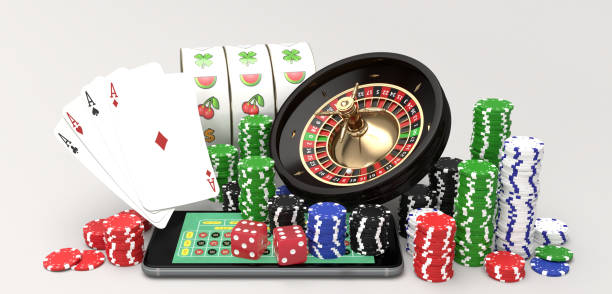
Another psychological aspect that fuels gambling behavior is the concept of escapism. For many, gambling serves as a temporary escape from the stresses of everyday life. It provides an opportunity to immerse oneself in an exciting environment, allowing individuals to momentarily forget their worries. The social aspect of gambling, particularly in casinos, can also enhance this experience, as players connect with others, share in the thrill, and build a sense of camaraderie, further solidifying their attachment to gambling.
Additionally, the environment in which gambling takes place plays a crucial role in its allure. Bright lights, captivating sounds, and the buzz of activity create a stimulating atmosphere that can be hard to resist. This sensory overload often makes it challenging for gamblers to focus on anything other than the game, effectively heightening their emotional response and leading to decisions driven by impulse rather than rational thought.
The Role of Cognitive Biases
Cognitive biases are mental shortcuts that influence our decision-making processes, and in gambling, they often lead players to misinterpret probabilities and outcomes. One common bias is the “gambler’s fallacy,” where individuals believe that past outcomes can influence future results. For instance, if a player experiences a series of losses, they may feel that a win is “due,” leading them to gamble even more. This misconception can create a dangerous cycle where players chase losses, believing that their luck will eventually change.
Another significant cognitive bias in gambling behavior is the illusion of control. Many gamblers believe that they can influence the outcome of a game based on their skills or choices. This belief can be particularly strong in games that involve an element of strategy, such as poker or blackjack. However, this illusion often clouds judgment, causing individuals to make irrational bets based on confidence rather than statistical likelihood, perpetuating their gambling habits.
The confirmation bias also plays a crucial role in gambling behavior. Gamblers often pay more attention to wins and overlook their losses, reinforcing the idea that their gambling is successful. This selective memory can lead to persistent gambling behavior, as players convince themselves that they are more fortunate than they actually are. Understanding these cognitive biases is vital for recognizing the underlying psychological triggers that drive gambling behavior.
The Impact of Reinforcement and Rewards
The principles of reinforcement and reward are fundamental to understanding gambling behavior. When a gambler wins, the immediate gratification serves as a powerful reinforcement, making them more likely to continue gambling in hopes of replicating that success. This unpredictability of rewards, often referred to as variable ratio reinforcement, means that gamblers receive rewards at irregular intervals, which can enhance their desire to play. The uncertainty surrounding when a reward will come increases excitement and compels players to keep trying.
This reinforcement is also carefully engineered by gambling establishments. Casinos and online platforms often implement loyalty programs and bonuses that reward frequent play. These incentives can create a sense of obligation for players, where they feel compelled to continue gambling to maximize their rewards. Over time, this can lead to a habitual pattern of gambling that is difficult to break, further entrenching individuals in their gambling behaviors.
Moreover, the emotional highs and lows associated with gambling can create a rollercoaster effect that some individuals find addictive. The elation of winning can be followed by the disappointment of loss, yet the anticipation of another win often overshadows the negative feelings. This emotional volatility can make gambling particularly compelling, as players become entrenched in the cycle of reward and loss, continually seeking that next big win.
The Influence of Social and Environmental Factors
Social factors play a significant role in shaping gambling behavior. Peer influence can encourage individuals to participate in gambling activities, especially in social settings where group dynamics come into play. The desire to fit in or impress friends can push individuals to engage in gambling, even if they may not be inclined to do so initially. This social acceptance can normalize gambling behavior and further entrench it in individual lifestyles.
Moreover, cultural attitudes towards gambling can significantly affect participation rates. In some cultures, gambling is viewed positively as a form of entertainment, while in others, it may be frowned upon. These cultural perceptions can influence an individual’s likelihood to gamble, as well as their attitudes towards the consequences of gambling. Understanding these social and cultural contexts is vital for comprehending the diverse motivations behind gambling behavior.
Environmental cues, such as the presence of gambling advertisements and the availability of gambling venues, also shape gambling behavior. Frequent exposure to promotional materials can normalize gambling as a recreational activity, making it seem more appealing. The proximity of casinos or sports betting venues can trigger impulsive decisions to gamble, especially for those already predisposed to gambling behavior. Recognizing these external influences is essential in addressing and understanding gambling habits.
Conclusion and Resources for Understanding Gambling Behavior
Understanding the psychological triggers that drive gambling behavior is crucial for individuals seeking to comprehend their own or others’ gambling habits. By recognizing the allure of gambling, the role of cognitive biases, the impact of reinforcement, and the influence of social and environmental factors, one can gain insights into the complexities of gambling behavior. These insights can ultimately aid in making informed choices about gambling participation.
For those looking to explore these themes further, resources are available that delve into the psychology of gambling, providing strategies for responsible gambling and insights into recognizing problem gambling behaviors. Whether you are a novice or an experienced gambler, understanding these psychological aspects can enhance your awareness and promote healthier gambling habits.